Wondering how much to budget beyond the price when you buy or sell in Zilker? You are not alone. Closing costs in central Austin can feel complex, and Zilker has a few local wrinkles that can change the math. In this guide, you will learn what shows up on your statement, who usually pays what in Texas, how local factors in Zilker can add or reduce costs, and realistic ranges for common price points. Let’s dive in.
Zilker factors that affect costs
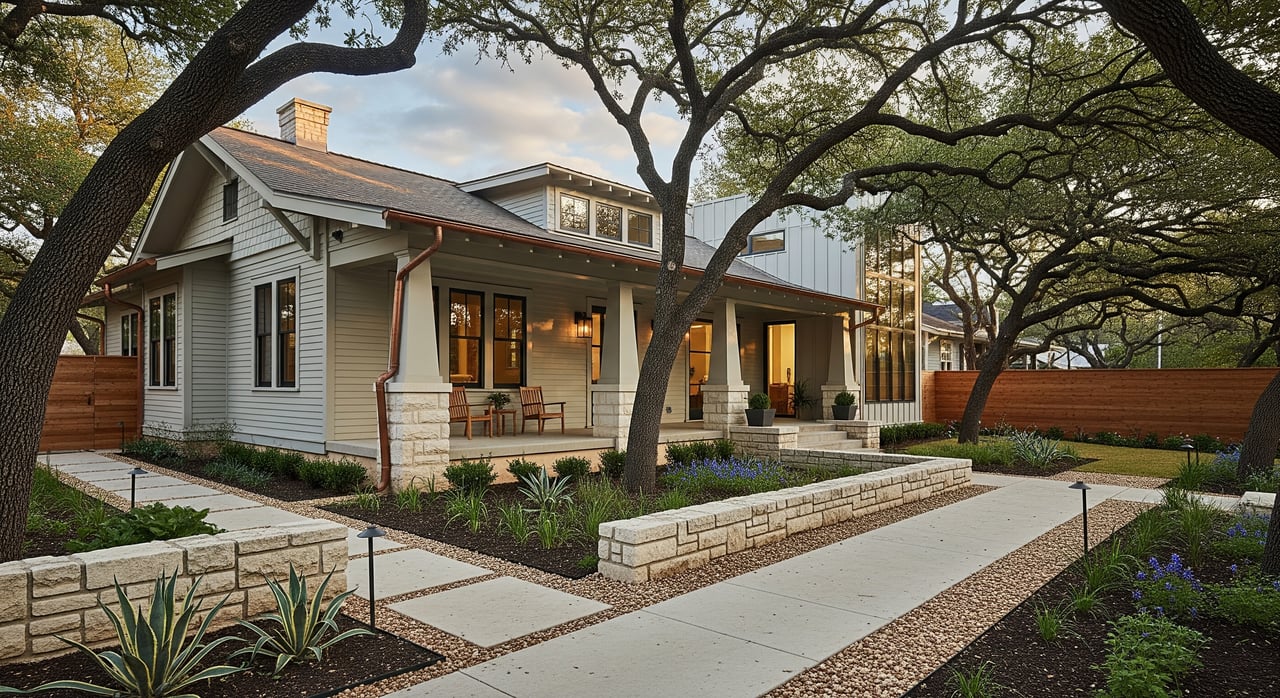
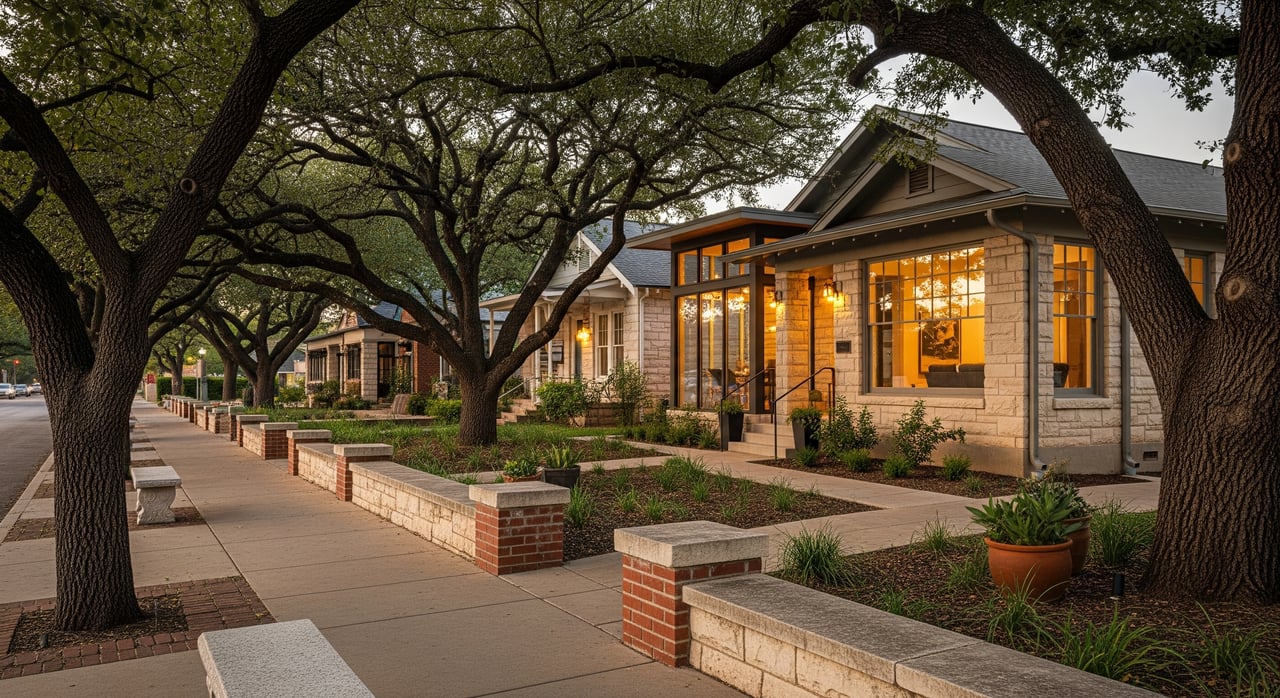
Zilker sits in central Austin with a mix of bungalows, newer infill homes, and many condos and townhomes. Prices here often run higher than the Austin-area median, which means items that scale with price, like title insurance and prepaid taxes, will also be higher. Some properties near Barton Creek or Barton Springs can fall in mapped flood zones, which may trigger a lender requirement for flood insurance and a flood determination.
For condos and many townhomes, plan for HOA estoppel and transfer fees. These are administrative charges to confirm the account status and process the transfer, and they vary by association. You will also see City of Austin utility transfer items and prorated Travis County property taxes based on your closing date.
What closing costs cover
Closing costs are the services, prepaids, and government fees needed to complete the sale. The exact list depends on your property, loan, and contract. Common categories include:
- Purchase and adjustments: purchase price, earnest-money credit, prorated property taxes, utilities, and prepaid HOA dues or assessments.
- Lender charges: origination, underwriting or processing, discount points if any, appraisal, credit report, flood certification, and sometimes a survey.
- Title and escrow: owner’s title policy, lender’s title policy, escrow or closing fee, title search, and document prep.
- Government and recording: county recording fees for the deed and mortgage. Texas has no state transfer tax.
- Prepaids and reserves: first year homeowner’s insurance, prepaid interest from closing date to first payment, property tax escrow setup, and HOA dues prepayment.
- Inspections and condition items: general home inspection, termite or wood destroying insect report, repairs or negotiated credits, and surveys when required.
Who pays what in Texas
Local customs guide who typically pays which fees, but your contract controls. In Austin and Travis County, it is common to see the following split:
Typical seller-paid items
- Real estate broker commissions, often around 5 to 6 percent total.
- Owner’s title insurance policy by local custom, though negotiable.
- Prorated property taxes up to the closing date.
- HOA estoppel and transfer fees, if applicable.
- Payoff of existing mortgages and any liens.
Typical buyer-paid items
- Lender fees, including origination, appraisal, credit report, and points.
- Lender’s title insurance policy and most recording fees tied to the mortgage.
- Prepaid taxes and insurance for escrow, homeowner’s insurance premium, and prepaid interest.
- Home inspections and flood determination. Flood insurance if required by the lender.
Negotiable items
- Escrow or closing fee, which is sometimes split.
- Survey costs and repairs after inspection.
- Seller concessions toward buyer closing costs, subject to loan program limits. Conventional, FHA, and VA loans cap how much the seller can contribute, so always confirm with your lender.
Typical dollar ranges in Zilker
Your numbers will depend on price, loan type, and the mix of condo or single-family. As planning ranges:
- Example A, Lower end Zilker condo or small house, $600,000
- Buyer closing costs, about 2 to 5 percent: $12,000 to $30,000
- Seller costs, often 7 to 9 percent: $42,000 to $54,000
- Example B, Typical Zilker single-family, $900,000
- Buyer closing costs: $18,000 to $45,000
- Seller costs: $63,000 to $81,000
- Example C, Upper-tier Zilker property, $1,500,000
- Buyer closing costs: $30,000 to $75,000
- Seller costs: $105,000 to $135,000
These figures are illustrative and not guarantees. Condominiums can add HOA estoppel and transfer charges, and properties in flood zones may require flood insurance. Changing your closing date will also change tax prorations and prepaid interest.
What appears on your statement
If you are financing, federal rules require your lender to deliver a Closing Disclosure at least three business days before closing. This shows your final loan terms, cash to close, and every fee. Review it carefully and compare it to your earlier estimates.
If you are selling, you will receive a seller’s settlement statement that shows commissions, payoffs, prorations, and any seller-paid costs or credits. Both sides will see adjustments for prorated property taxes and any prepaid HOA items.
Two key points in Texas help shape the totals:
- No state real estate transfer tax appears on your statement.
- Title insurance premiums are regulated statewide, so premiums quoted for a given price will be consistent across title companies. Who pays is negotiable and set in the contract.
Smart ways to negotiate
You can often improve your bottom line with small contract choices. Ask your agent to help you evaluate:
- Owner’s title policy: if the seller pays, it reduces buyer cash to close, but it increases the seller’s net costs.
- Escrow fee split: clarify whether the closing or escrow fee is split and how in your contract.
- Seller concessions: confirm the maximum allowed for your loan program and what costs they can cover.
- Survey responsibility: reuse a recent survey if possible, or agree on who pays for a new one.
- Title company selection: in Texas, the seller often suggests the title company. Buyers can request a different company, but both parties must agree.
- Closing date: small shifts in date can change prorations, prepaid interest, and even HOA timing. Pick a date that supports your budget.
Timeline and what to expect
For buyers, expect a Loan Estimate within a few days of loan application and a final Closing Disclosure at least three business days before closing. Arrange a wire or cashier’s check for your cash to close, and use verified instructions to avoid wire fraud. Plan to bring ID, review documents line by line, and speak up early if something looks off.
For sellers, the title company will prepare your seller’s statement and request payoff information. You will sign the deed, approve payoffs, and confirm any HOA or utility items. Many Austin closings occur at local title offices, and remote notarization options are often available. Ask your title company early if you need a remote signing.
Next steps for buyers and sellers
If you are buying in Zilker
- Get preapproved and request an itemized estimate of closing costs, prepaids, and escrow reserves for your Zilker price point.
- Ask for a title quote that includes owner’s and lender’s policies, escrow fee, and recording costs in Travis County.
- Budget 2 to 5 percent of the purchase price for closing costs, plus a cushion for inspections, possible survey, HOA estoppel, and flood insurance if required.
If you are selling in Zilker
- Ask your agent for an estimated seller net sheet showing commission, owner’s title policy, prorated taxes, and payoffs.
- Plan for HOA estoppel and transfer documents if applicable, and consider likely repair requests based on the home’s condition.
- If a buyer requests concessions, confirm loan program limits and how a credit will reduce your proceeds.
When you want a clear, local view of costs and a smooth closing, connect with a neighborhood-rooted team that handles these details every day. Reach out to Sean Waeiss for a customized closing cost plan for your Zilker move.
FAQs
What are typical buyer closing costs in Zilker?
- Buyers often budget about 2 to 5 percent of the purchase price for closing costs, which covers lender fees, title charges, prepaids, and reserves.
Who usually pays the owner’s title policy in Austin?
- In many Travis County transactions, the seller pays for the owner’s title insurance policy by local custom, though it is negotiable in the contract.
How do property tax prorations work at a Travis County closing?
- Taxes are prorated to the closing date, so the seller typically credits their share up to that day and the buyer takes on taxes from that day forward.
Are there HOA fees at closing for Zilker condos and townhomes?
- Yes, most associations charge estoppel and transfer fees, commonly a few hundred dollars, and some dues may be prepaid or prorated at closing.
Will I need flood insurance near Barton Springs or Barton Creek?
- If the property is in a mapped flood zone and you have a mortgage, your lender will likely require flood insurance, which adds a policy premium to your costs.
When do buyers receive the final Closing Disclosure?
- Your lender must provide the Closing Disclosure at least three business days before closing, which gives you time to review and ask questions.