Love the idea of shady streets and front porches a quick hop from downtown? In Travis Heights you can walk past a century-old bungalow, a mid-century cottage, and a sleek new build on the same block. Choosing between them shapes your budget, renovation to-do list, and daily life. This guide explains the styles you will see, what to check before you buy, and how to match a home to your goals. Let’s dive in.
Travis Heights basics
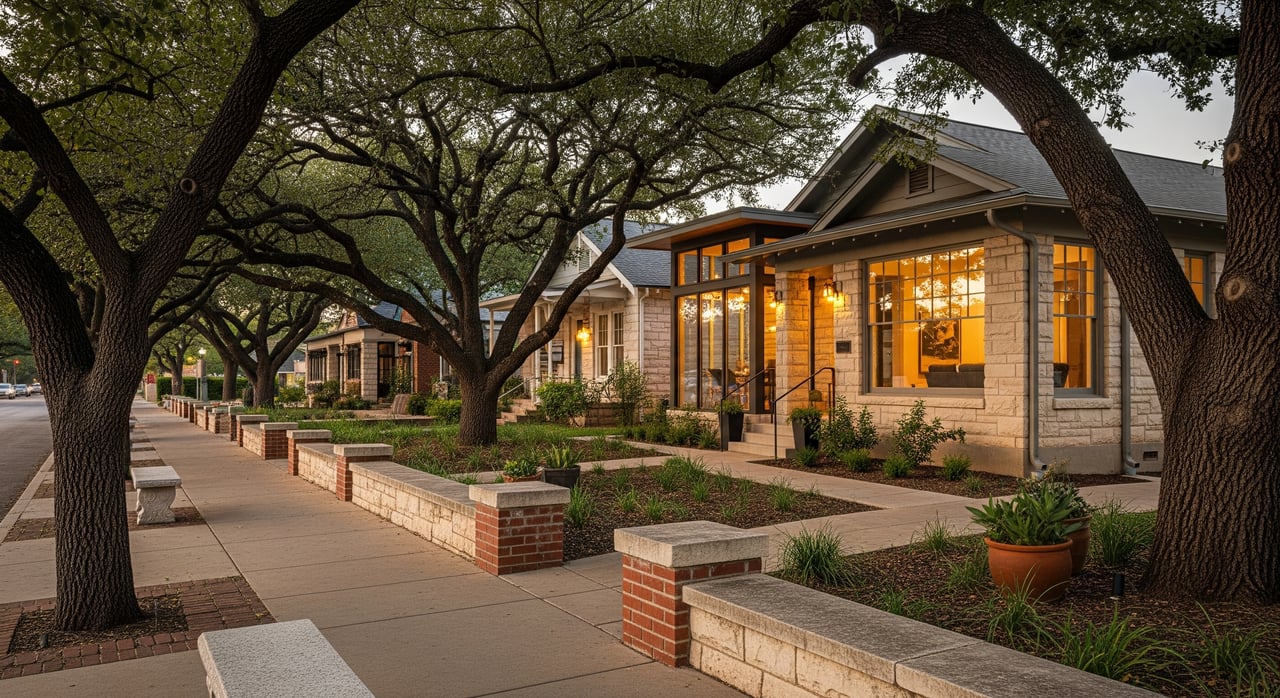
Travis Heights is a mature South Austin neighborhood with an active local community and a walkable, urban feel. You will notice porches close to the sidewalk, modest setbacks, and a strong tree canopy. Proximity to central Austin has lifted demand over the last 15 to 20 years, which has driven renovations and new infill housing.
Lots and site features
Many original lots are rectangular, often narrower and deeper than suburban parcels. A common pattern is 40 to 60 feet of frontage with greater depth, although it varies by block. Some properties have alleys and detached garages, which can make rear access and ADUs more feasible.
Mature trees are a defining feature, and recent infill has increased lot coverage. That can reduce yard size and pervious area, so pay attention to tree preservation and drainage when you consider changes.
Home styles you will see
Craftsman bungalows
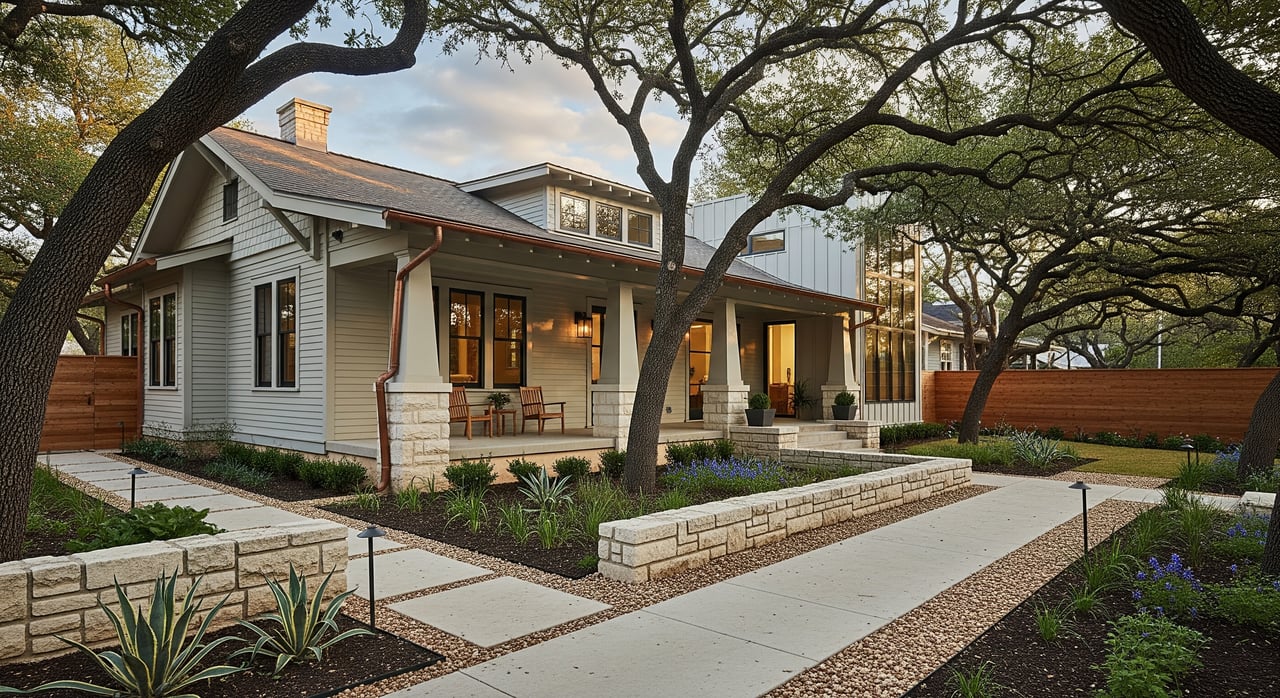
- What to expect: low-pitched gables, wide overhangs with exposed rafters, tapered porch columns on stout piers, and generous front porches.
- Interiors: efficient layouts with built-ins, single or one-and-a-half stories, and some lower ceilings than today’s homes.
- Common issues: pier-and-beam foundations that may need leveling, moisture and termite repairs, and electrical or plumbing upgrades.
- Streetscape: these homes set a traditional rhythm with porch life and trees.
Good fit if you value original character and a porch-focused lifestyle. Plan for potential systems upgrades and careful exterior changes if historic review applies.
Mid-century cottages
- What to expect: single-story massing, simpler details, and picture or ribbon windows. Carports or detached garages are common.
- Interiors: compact floor plans with rooms that can feel slightly larger than early bungalows.
- Common issues: older plumbing and electrical in the earliest examples. Foundation types vary.
- Streetscape: these sit modestly on the lot and adapt well to interior rework or small additions.
Good fit if you want a simpler canvas for updates with a lower profile on the street.
Modern infill homes
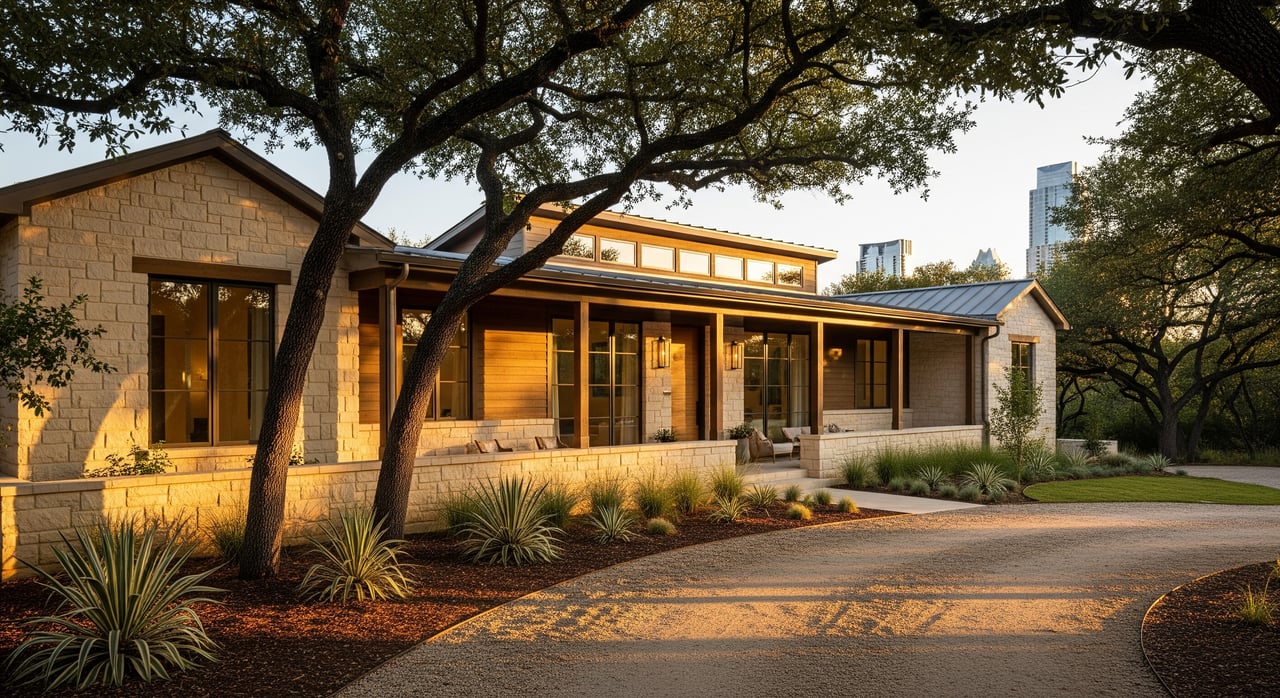
- What to expect: larger footprints, often two stories, open plans, large windows, and contemporary materials like stucco, metal, and fiber-cement.
- Typologies: full tear-down new builds, rear or second-story additions that keep a portion of the original, or rebuilds that preserve some façades.
- Considerations: modern systems and more square footage, but usually less green space and new privacy dynamics for neighbors.
- Streetscape: taller forms can change block rhythm, so look for stepped massing or porch elements to soften scale.
Good fit if you want modern layouts, energy upgrades, and indoor-outdoor flow with more livable area.
Renovation patterns and realities
Buyers commonly see four scopes:
- Cosmetic refresh: paint, flooring, and updated kitchens or baths while leaving mechanicals mostly intact.
- Systems upgrade: electrical, plumbing, HVAC, and insulation improvements, especially in pre-1970s homes.
- Additions: rear or side expansions or a second story that retains a historic front façade to maintain streetscape character.
- Tear-down and new build: chosen when lot value and demand support larger, contemporary homes.
ADUs are frequent in alley-served backyards or via garage conversions. Always check local ADU setbacks, height, and parking rules before you plan one.
Timelines and costs vary with scope. Historic review, tree protection, and site drainage planning can extend permits and construction duration.
Permits and rules to verify
Before you plan changes, confirm the following:
- Historic or conservation overlays: these can limit exterior work and require review or certificates of appropriateness.
- Compatibility and code: height, footprint, and parking rules apply to new infill and additions within City of Austin standards.
- Floodplain and drainage: parts of South Austin are near creeks. Review flood maps and finished-floor elevations when relevant.
- Tree rules: large protected trees can restrict building footprints or require mitigation.
- Neighborhood input: local organizations in Travis Heights often engage in design conversations.
City of Austin resources, the Travis County Appraisal District, and licensed professionals can help you verify parcel-specific facts.
Budget trade-offs by style
- Renovate historic: preserves character and block rhythm, but hidden repair costs are common and larger changes may require approvals.
- Build new or go big on additions: increases livable area and modern amenities, with more permitting complexity and potential streetscape impacts.
Set your budget with both purchase price and probable improvements in mind. Add a buffer for structural, systems, and drainage surprises, especially with older homes.
Smart questions to ask at a showing
- What is the foundation type and repair history?
- How old are the major systems and roof? Are there receipts for upgrades?
- Are there historic overlays, conservation districts, or deed restrictions that affect exterior work?
- Is there any known drainage or flooding history?
- Does the lot have an alley, notable street trees, or utility easements?
- Were recent renovations permitted? Any unpermitted work?
Inspection priorities in Travis Heights
- Structural and foundation evaluation, especially for pier-and-beam bungalows.
- Termite, pest, and moisture checks at sill plates, porches, and south or southwest-facing siding.
- Electrical service and wiring assessment, including identification of older systems.
- Plumbing material audit for galvanized water lines and cast iron sewer lines.
- Roof, flashings, attic ventilation, and insulation review.
- Site drainage, grading, and the health of large trees near the house.
Match style to your lifestyle
- If you want porch culture and historic charm: look for well-kept Craftsman bungalows or mid-century cottages with preserved details and mature trees. Expect smaller interiors and plan for targeted systems upgrades.
- If you want space and modern flow: focus on renovated homes or recent infill with open plans and larger square footage. Consider privacy, shading, and stormwater management as part of your evaluation.
Your next steps
- Verify lot size, alley access, overlays, and tree constraints before you make stylistic or renovation assumptions.
- Review recent comparable sales to understand how original, renovated, and new infill price on nearby blocks.
- Schedule specialized inspections early during your option period for older homes.
- If a renovation or rebuild is likely, speak with an architect or builder experienced in Austin infill and tree-preservation rules.
Ready to narrow your search to the right street and style? Our boutique, neighborhood-first team can help you weigh trade-offs, validate constraints, and move forward with confidence. Connect with Sean Waeiss for local guidance tailored to your goals.
FAQs
What home styles are most common in Travis Heights?
- Craftsman bungalows, mid-century cottages, and modern two-story infill are the main styles you will see on most blocks.
How do alleys affect ADU potential in Travis Heights?
- Lots with alley access often make rear parking and ADU placement easier, but you still need to confirm setbacks, height, and parking requirements.
What inspections are critical for older Travis Heights homes?
- Prioritize foundation, termite and moisture, electrical, plumbing materials, roof and attic, and site drainage evaluations.
How do historic overlays impact a Travis Heights remodel?
- Overlays can limit exterior changes and require historic review or certificates of appropriateness, which can add time and design constraints.
What budget factors should I plan for in Travis Heights?
- Beyond purchase price, budget for systems upgrades, potential foundation work, tree protection or mitigation, and permitting or historic review costs.